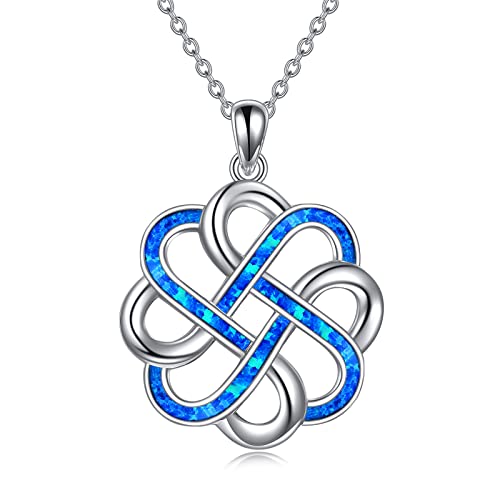
Importance of Quality Craftsmanship in Traditional Gifts
Quality craftsmanship has long been revered in the realm of traditional gifts. These gifts often carry significant emotional weight and cultural heritage, making the quality of their creation crucial. When a gift is meticulously crafted, it not only showcases the skill of the artisan but also enhances the value of the gift itself. In this article, we will delve into the importance of quality craftsmanship, exploring its impact on emotional connection, longevity, and cultural significance.
Emotional Connection Through Craftsmanship
The emotional connection that a traditional gift fosters is often rooted in its craftsmanship. When a gift is handmade, it carries the essence of the artisan's passion and dedication. For instance, consider a hand-carved wooden box given as a wedding gift. The intricate details and smooth finish reflect countless hours of labor, making it more than just a container for keepsakes; it becomes a cherished piece of art. This emotional resonance is significantly amplified when the recipient understands the story behind the craftsmanship.
Moreover, gifts that showcase quality craftsmanship serve as tangible reminders of relationships. A beautifully crafted piece of jewelry may symbolically represent the bond between the giver and the receiver. The time and effort invested in creating such items can evoke memories and feelings that mass-produced items cannot. This aspect of emotional connection is what sets traditional gifts apart, creating lasting impressions.
Longevity of Traditional Gifts
Quality craftsmanship directly influences the longevity of traditional gifts. Items that are well-made tend to withstand the test of time, both physically and sentimentally. For example, a handwoven rug, crafted with precision and care, can last generations, often becoming a family heirloom. In contrast, a mass-produced rug may quickly show signs of wear and tear, losing its aesthetic appeal and value.
Furthermore, the longevity of a gift is often linked to the materials used in its creation. Artisans typically select high-quality, durable materials that contribute to the overall resilience of their work. Consider a handmade leather wallet. Unlike synthetic alternatives, a quality leather wallet not only ages beautifully but also becomes more comfortable and functional over time. This durability ensures that traditional gifts remain relevant and valued, even as trends change.
People Also Look For:
- 2025 925 Sterling Silver Witch Celtic Knot Necklace Men Women Witchcraft Amulet Necklaces Wicca Jewelry Party With For You
- 97 Decor Gothic Victorian Decor for Home - Antique Victorian Wall Decor, Victorian Pictures for Wall, Vintage Ladies Portrait Post...
- Vintage Decor (TM) Traditional Brass School Pub Last Orders Hand Bell with Wooden Handle (Extra-Large)
- Sterling Silver Necklace Celtic Jewellery Women Silver Pendant Necklace Handmade Necklaces Dainty Necklace Celtic Necklace for Wom...
- Suplight 925 Sterling Silver Celtic Knot Ring, Triune Knot Jewelry, 5mm Celtic Wedding Bands for Her Size 8
Cultural Significance of Craftsmanship
Quality craftsmanship plays an integral role in preserving cultural heritage. Many traditional gifts are rooted in specific cultural practices, often requiring specialized skills passed down through generations. For example, the intricate designs of Persian carpets tell stories that reflect the rich history and traditions of their makers. Each knot and pattern holds significance, connecting the present to the past.
In many cultures, the act of gift-giving is steeped in rituals that emphasize the importance of handmade items. A traditional Japanese tea set, crafted with precision, embodies the principles of Zen and mindfulness. When such gifts are exchanged, they carry not just aesthetic value but also cultural narratives that resonate deeply with both the giver and the receiver.
Real World Examples of Quality Craftsmanship
Examining real-world examples of quality craftsmanship provides insight into its importance in traditional gifts. Consider the art of Japanese pottery, particularly the practice of Raku. Each piece is unique due to the unpredictable nature of the firing process. This uniqueness adds intrinsic value, as no two pieces are identical. When gifted, a Raku bowl becomes a symbol of individuality and appreciation for the art form.
Another notable example is the art of Swiss watchmaking. Renowned for their precision and craftsmanship, Swiss watches are often regarded as the pinnacle of horological excellence. Gifting a Swiss watch signifies a deep appreciation for quality and tradition, making it a meaningful gesture that transcends mere functionality.
The Impact of Technology on Craftsmanship
In today's fast-paced world, technology has significantly impacted craftsmanship. While modern tools can enhance precision, they also risk overshadowing the human touch that defines quality craftsmanship. The rise of 3D printing and CNC machining has made it easier to produce items at scale, but these methods often lack the character and soul of handmade goods. Consumers increasingly seek authenticity, leading a resurgence in the appreciation for traditional craftsmanship.
Many artisans are now embracing technology while maintaining their commitment to quality. By combining traditional techniques with modern innovations, they create unique products that honor the past while appealing to contemporary tastes. This fusion not only preserves craftsmanship but also introduces it to new audiences, ensuring its survival in a changing marketplace.
Supporting Local Artisans and Quality Craftsmanship
Supporting local artisans is essential for sustaining quality craftsmanship. When consumers choose to purchase handmade gifts, they contribute to the local economy and encourage artisans to continue their craft. This support fosters a community that values artistry and tradition. By selecting traditional gifts over mass-produced alternatives, individuals play a role in preserving cultural heritage and promoting the significance of quality craftsmanship.
There are various ways to support local artisans. Attending craft fairs and local markets provides an opportunity to meet artisans and learn about their work. Additionally, purchasing directly from artisans through online platforms or local shops ensures that the benefits of the sale go directly to the creator. This connection fosters a deeper appreciation for the craftsmanship involved.
The Future of Traditional Gifts
The future of traditional gifts hinges on the continued appreciation for quality craftsmanship. As consumers become more discerning, the demand for unique and well-crafted items is likely to grow. This trend encourages artisans to innovate while staying true to their roots. As society increasingly values sustainability and authenticity, traditional gifts crafted with care will remain relevant and cherished.
As we move forward, the importance of quality craftsmanship in traditional gifts will only strengthen. It serves as a reminder of the human touch behind each item and the stories they carry. The legacy of craftsmanship will continue to enrich our lives and deepen our connections with others through the gifts we choose to share.