Timeless Charm of Past Inspired Decor in UK Homes
In the world of interior design, trends come and go, yet past inspired decor maintains a unique and lasting charm that resonates throughout the United Kingdom. This style draws from various historical periods, integrating elements that evoke nostalgia while harmonizing with contemporary aesthetics. From Victorian elegance to mid-century modern simplicity, the allure of historical design remains relevant, appealing to a diverse audience that appreciates the stories these styles tell.
The Enduring Appeal of Historical Design
Historical design offers more than just visual appeal; it connects individuals to a rich tapestry of cultural heritage. Each style reflects the values, craftsmanship, and technological advancements of its time. For example, the ornate detailing of the Victorian era showcases the craftsmanship that was valued in the 19th century, while Art Deco presents a bold, geometric flair that emerged in the early 20th century. Homeowners often find themselves drawn to these elements, not only for their beauty but also for the historical significance they embody.
Moreover, past inspired decor creates a sense of comfort and familiarity. Many people feel at home in spaces that feature classic design elements, as these styles often remind them of their childhood or family heritage. This emotional connection is a powerful motivator for choosing vintage furniture or reproductions of historical pieces.
Integrating Historical Elements into Modern Spaces
Integrating past inspired decor into modern homes requires a delicate balance. Successful integration involves selecting pieces that complement contemporary furnishings while preserving their unique character. For instance, pairing a mid-century modern coffee table with a contemporary sofa can create a visually appealing contrast that enhances the overall aesthetic of the room.
Another effective strategy is to use color and texture to bridge the gap between old and new. Rich, warm colors often found in traditional decor can be paired with sleek, modern finishes to create a cohesive look. Fabrics such as velvet or brocade can add depth and warmth to minimalist spaces, inviting a sense of luxury that is often associated with past designs.
People Also Look For:
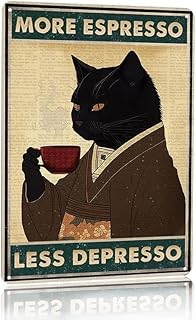
- Customized Tin Painting Retro Sign Vintage Signs for Funny Vintage Decor in Home Bar Room Diner Garage Kitchen Vertical Version
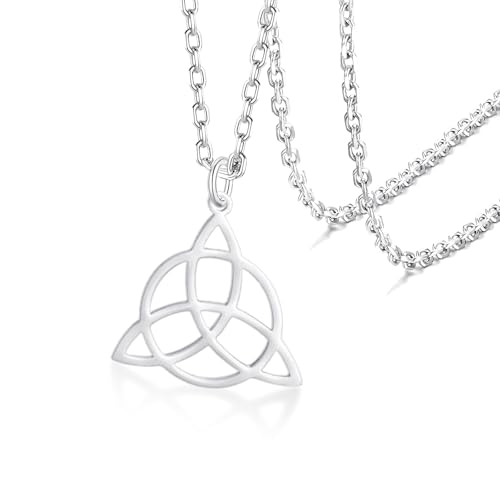
- ChicSilver Necklaces for Women Sterling Silver Celtic Knot Pendant Necklace Irish Triquetra Jewellery 925 Silver Necklace for Fema...
- TOUPOP Celtic Knot Necklace 925 Sterling Silver Irish Trinity Celtic Knot Pendant Jewellery with Circle Crystal Jewelry Gifts for ...
- TOUPOP Celtic Knot Necklace Sterling Silver Celtic Pendant Jewelry Good Luck Vintage Triquetra Irish Abalone shell Celtic Necklace...
- YFN Dragon Pendant Necklace Celtic Knot Necklace 925 Sterling Silver Jewelry Good Luck Irish Triquetra Triangle Knot Jewelry Neckl...
Popular Styles in Past Inspired Decor
Several historical styles remain particularly popular in the UK, each offering unique characteristics that appeal to different tastes. Below are some of the most admired styles:
- Victorian: Known for its intricate detailing and opulent fabrics, Victorian decor often features dark woods, rich colors, and ornate patterns.
- Edwardian: A lighter alternative to Victorian design, Edwardian decor incorporates floral motifs and lighter color palettes, promoting a sense of elegance and tranquility.
- Art Deco: This style is characterized by geometric shapes, bold colors, and luxurious materials, making it a favorite for those who appreciate glamour.
- Mid-Century Modern: Emphasizing simplicity and functionality, this style features clean lines and organic forms, appealing to those who prefer a minimalist approach.
The choice of style often reflects the personality and preferences of the homeowner. For example, a family that enjoys hosting gatherings may opt for Victorian pieces that encourage conversation and warmth, while a young professional might lean towards mid-century modern for its elegance and functionality.
Reviving Vintage Finds
One of the most exciting aspects of past inspired decor is the opportunity to revive vintage finds. Antiques and second-hand treasures offer not only unique aesthetics but also sustainable alternatives to mass-produced furniture. Thrift stores, flea markets, and online marketplaces are treasure troves for those willing to hunt for one-of-a-kind pieces that tell a story.
Consider the case of a homeowner who stumbles upon a vintage sideboard at a local antique shop. This piece, rich in history and character, can serve as a focal point in a dining room or entryway. By incorporating such a unique item, the homeowner not only enhances their decor but also contributes to the narrative of the space.
The Cultural Significance of Past Inspired Decor
Past inspired decor also plays a significant role in cultural identity. In the UK, many homeowners choose to incorporate elements that reflect their heritage or the history of their locality. For instance, a family with roots in the countryside may adorn their home with rustic farmhouse elements that evoke the charm of rural life. This connection to culture enhances the significance of the decor, transforming a house into a home filled with personal meaning.
Moreover, as society becomes increasingly global, the blending of various historical styles fosters a unique fusion in interior design. Homeowners may mix elements from different eras or cultures, creating a diverse and personalized space that reflects their individual experiences. This practice not only celebrates the past but also encourages creativity and innovation in design.
Challenges and Considerations
While past inspired decor offers numerous benefits, it is not without its challenges. Homeowners must consider the maintenance of vintage items, as they may require special care to preserve their integrity. Additionally, blending different styles can sometimes lead to a disjointed appearance if not executed thoughtfully. Careful planning and consideration of scale, color, and proportion are essential to achieving a harmonious look.
Furthermore, it is vital to ensure that past inspired decor does not overshadow the functionality of the space. Homes must remain practical for daily living, and decor choices should enhance rather than impede the usability of rooms. Striking the right balance between aesthetics and functionality is a crucial aspect of successful interior design.
Conclusion
As trends continue to evolve, past inspired decor will undoubtedly maintain its place in UK homes. Its ability to evoke emotions, tell stories, and connect individuals to their heritage creates a timeless appeal that modern design cannot replicate. The incorporation of historical elements not only adds beauty but also fosters a deeper appreciation for the craft and culture that defines interior design.